|
Percentage of hypochromic red blood cells higher than 2%, DLCO of 65% or lower seen as factors by Marisa Wexler, MS 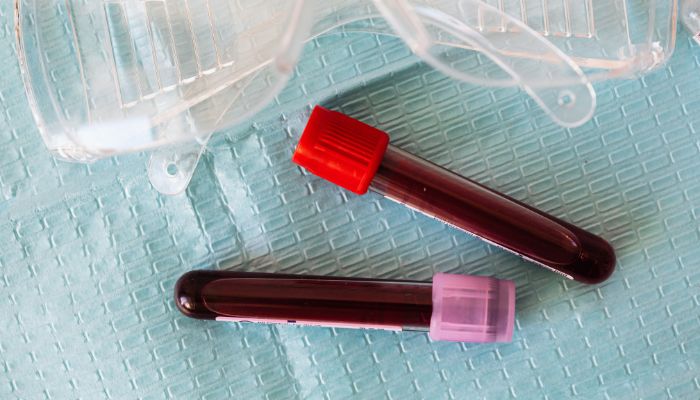 Analyzing the color of red blood cells could help predict survival outcomes among people with systemic sclerosis (SSc), a study shows. The study, “Hypochromic red cells as a prognostic indicator of survival among patients with systemic sclerosis screened for pulmonary hypertension,” was published in Arthritis Research & Therapy. Red blood cells carry oxygen through the bloodstream out to all the tissues. To ferry it, they use an iron-containing protein called hemoglobin. When iron-rich hemoglobin binds to oxygen, it turns red, which is how blood gets its distinctive “blood red” color. When iron levels are too low, red blood cells can become hypochromic, meaning they’re not as bright. Chronic inflammatory conditions like SSc may cause fluctuations in iron levels, but the clinical consequences are incompletely understood. In this study, researchers led by scientists in Germany assesed whether the percentage of hypochromic red blood cells — referred to as % HRC — was associated with differences in survival among people with SSc. The analysis included data for 171 patients who underwent screening for pulmonary hypertension (abnormally high pressure in the lung’s blood vessels). Among them, 81.3% were female, the mean age was 60, and nearly two-thirds had elevated pulmonary blood pressure. The patients were followed for a median of more than two years, during which time 18 died, mainly from complications related to lung disease. The researchers used statistical models to look for significant factors of mortality. Two factors emerged as significant mortality predictors — % HRC higher than 2% and diffusion capacity for carbon monoxide (DLCO) of 65% or lower. DLCO is a measure of lung function that tests their ability to transfer oxygen from the air sacs into the blood.
Among those with both risk factors, the survival rate at one year was 95% and at three years it was 77.2%. For patients with only one of these risk factors, survival rates were 100% at one year and 95.3% at three years. Among those with neither risk factor, all were alive at three years. “The combination of HRC [greater than] 2% and DLCO [less than or equal to] 65% predicted was shown to be a useful tool to stratify patients at higher mortality risk,” the researchers said. Patients with a % HRC higher than 2% tended to have poorer lung function, lower iron levels, and higher levels of an inflammatory marker called C-reactive protein, analyses indicated. They also tended to have higher pressure in lung blood vessels and poorer scores on measures of physical function and life quality. Using both % HRC and DLCO could correctly identify 65% of patients with diseases in lung blood vessels and 83.5% who didn’t have lung blood vessel disease, results indicated. This suggests these risk factors could help identify those who require closer monitoring of lung blood vessel health, the researchers said. “The presence of low DLCO and high HRC added predictive power not only for survival but also for the possible development of impairment in pulmonary vasculature [lung blood vessels].” The study is limited by its single-center nature, highlighting a need for future research, the researchers said. “Larger studies to validate the importance of this biomarker [% HRC] in clinical daily routine and therapeutic application are warranted.” Comments are closed.
|

Scleroderma Association of Queensland
©Scleroderma Association of Queensland. All rights reserved. Website by Grey and Grey.